A home that
feels like your
own
Supported Independent Living is more than support — it's a home. Your routines, your friends, your choices, with the right level of help always nearby.
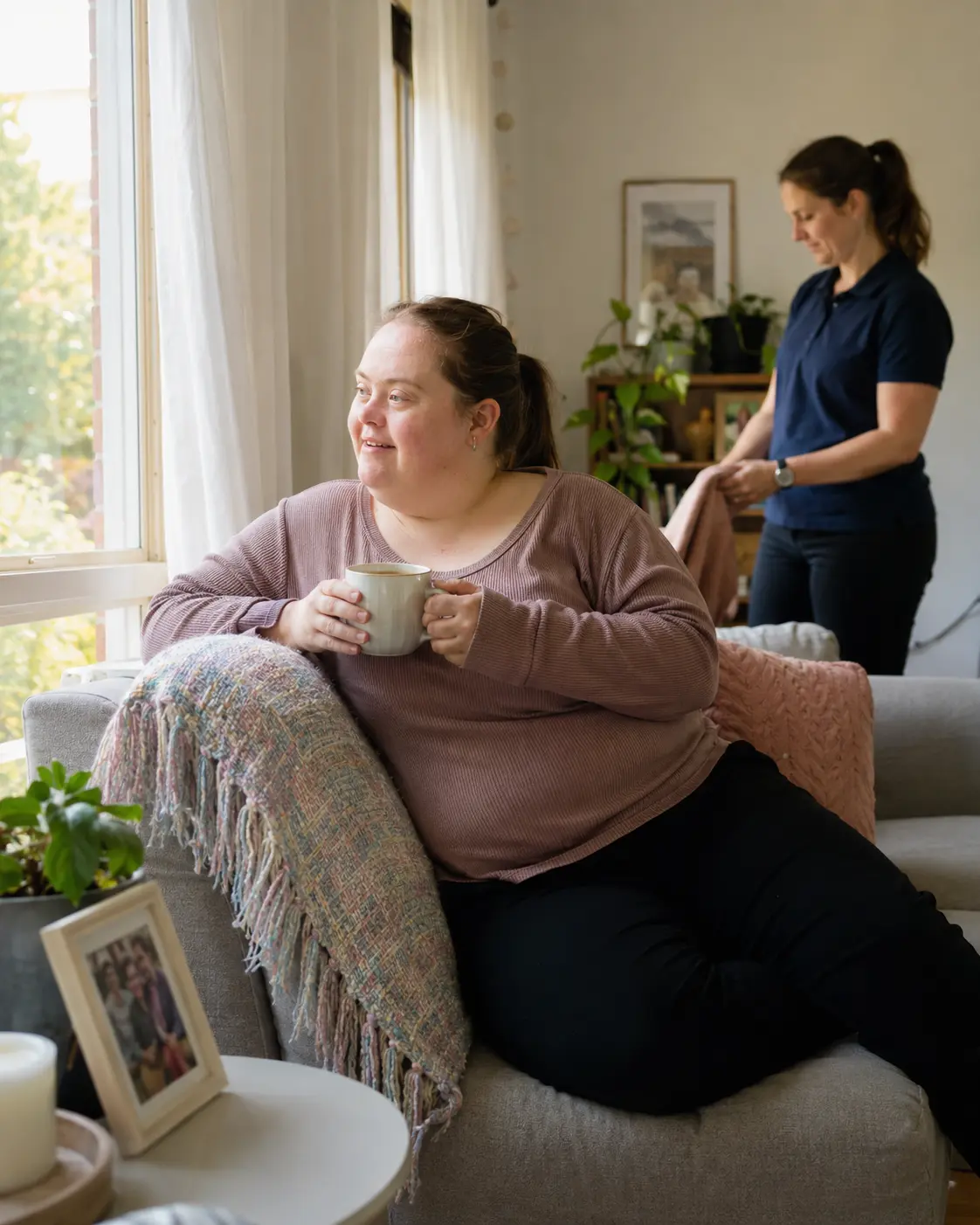
Not a placement.
A life.
Moving into a new home is one of the biggest decisions anyone makes. For NDIS participants, that decision carries even more weight — it's about safety, independence, dignity, and the kind of life you want to lead.
At Anchor & Aim, we approach Supported Independent Living (SIL) as building a home, not running a service. That means consistent, carefully matched support workers. It means housemates who genuinely get on. It means a house that feels lived-in — not managed.
Whether you're moving out of the family home for the first time, transitioning from a group home, or rebuilding life after a hospital stay — we'll walk the whole journey with you.
What a home
with us looks like
Every household is different. But the rhythm of a good day tends to share the same ingredients — structure when it helps, flexibility when it matters, and real connection throughout.
A calm
start
Wake-up support at your own pace, morning routine, breakfast together or solo — your preference. Medication, grooming, ready for the day.
Out in the
world
Work, study, community access, appointments, or time at home doing what you love. Support travels with you where needed, not in the way of you.
Home for
dinner
Shared or individual meal prep, winding down, watching something together or quiet time in your room. Evening meds, getting ready for bed.
Support that
rests
Sleepover or awake overnight support as your plan requires. Familiar staff so night-time feels safe — never a stranger in the house.
Everything that
makes it a home
SIL covers the day-to-day support you need to live well at home. Here's what we commonly build into a SIL arrangement — adjustable to suit your situation.
Housemate Matching
Thoughtful matching with potential housemates based on personality, interests, routines, cultural fit and communication styles.
Daily Routines
Personal care, dressing, grooming, medication prompts and support for the routines that make each day feel calm and on track.
Meals & Nutrition
Meal planning, grocery support, and cooking — honouring cultural, dietary and individual preferences for everyone in the house.
Household Management
Cleaning, laundry, bills, appointments — keeping the home running smoothly with as much or as little of your involvement as you want.
Overnight Support
Sleepover or active overnight shifts depending on your needs. Familiar, consistent workers so nights feel safe and predictable.
Getting Around
Transport to work, study, appointments, community activities and family visits — keeping your life connected beyond the front door.
Health & Allied Care
Liaison with your GP, allied health and specialists. Support for appointments, therapy practice at home, and medication management.
Decision-Making
Supported decision-making on everything from what to have for dinner to bigger choices about lifestyle, health and finances — your voice, always centre.
Goal & Skill Building
Working toward the things that matter to you — a job, a hobby, a skill, a relationship — woven into everyday living, not treated as separate ‘programs’.
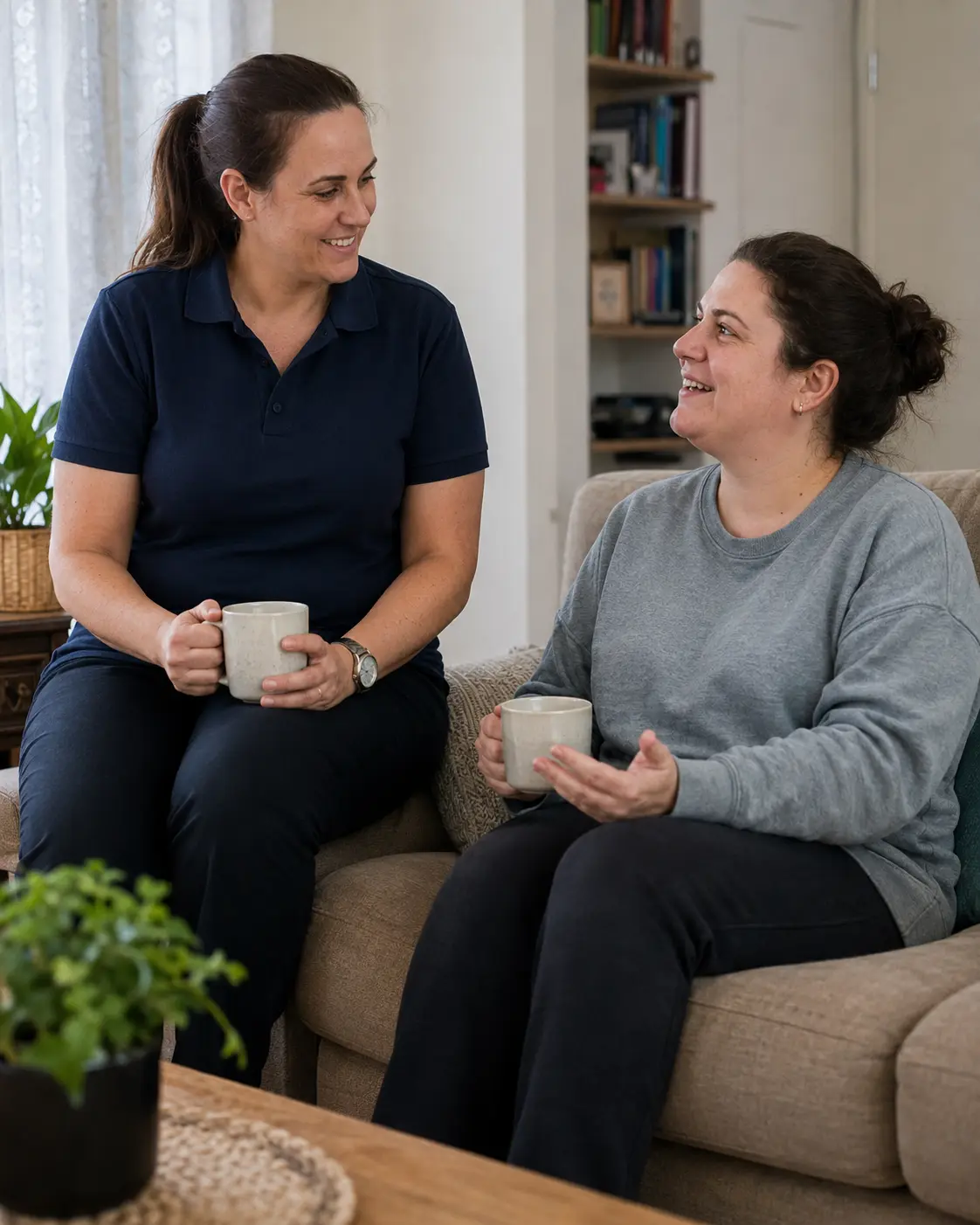
However you arrive,
we meet you there
People come to SIL at different points in life. There's no single journey, and no wrong starting point. We're experienced in supporting each of these pathways — with patience, with planning, and with your pace in mind.
-
Moving from the Family Home
First step into independent living. We work closely with family to make the transition gentle, staged and supported — for everyone.
-
Transitioning from a Group Home
Looking for something smaller, more personal, or better matched? We can talk through what's worked and what hasn't — and build forward from there.
-
After Hospital or Rehabilitation
Rebuilding life after a significant health event. We coordinate closely with clinical teams to make discharge and settling-in as smooth as possible.
-
With a New or Updated NDIS Plan
Your plan now includes SIL funding and you're figuring out next steps. We'll help you understand options, timing and what's realistic.
Looking for a vacancy?
Our SIL arrangements are built carefully, so we keep capacity small and intentional. Availability changes regularly — sometimes we have a room ready, sometimes we're planning a new household. Always worth a conversation.
Who SIL is for
SIL is for NDIS participants who need regular or substantial support to live in their own home. It's typically right for people moving into independent living for the first time, or whose current arrangements aren't quite working.
We support participants across Melbourne's eastern and south-eastern suburbs.
How it's funded
SIL is funded under Core Supports — Assistance with Daily Life in your NDIS plan. Funding reflects the level of support required, the number of people in the home, and whether staff are awake overnight.
We work with both plan-managed and self-managed participants.
SIL & SDA explained
SIL pays for the support at home (staff). SDA (Specialist Disability Accommodation) pays for the home itself when specialist housing is needed.
Most people only need SIL — SDA is funded separately only when specialist housing design is required.
Ready to talk about
home?
Every SIL arrangement starts with a chat — who you are, what you need, what you're hoping for. No forms, no pressure, no commitment. Just a friendly conversation to see if we're the right fit.